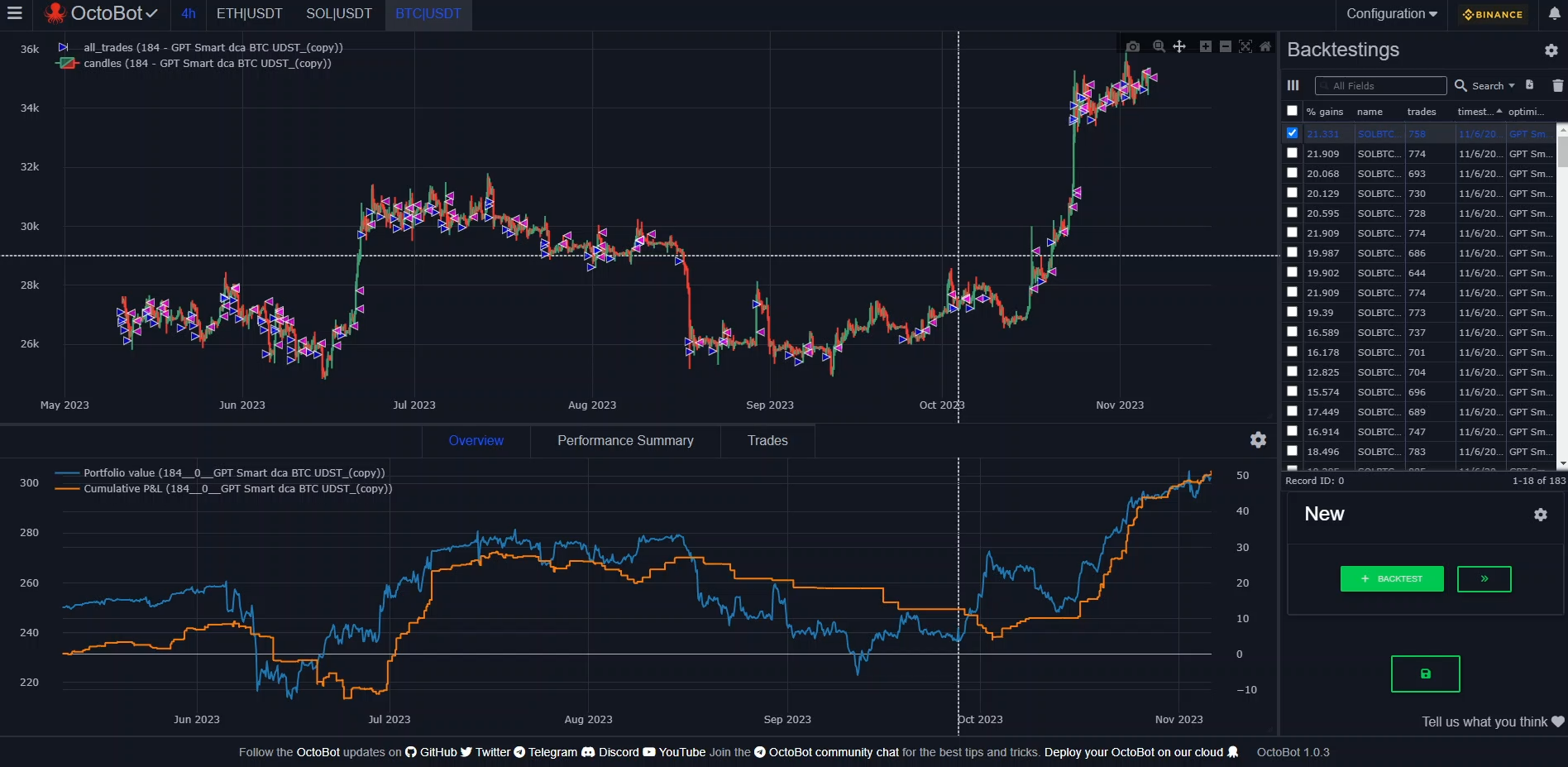
Dans cette vidéo, nous détaillons comment fonctionne la stratégie et parcourons ses performances historiques et réelles en suivant un OctoBot tradant avec cette stratégie depuis 4 semaines.
Nous présentons aujourd'hui notre dernière stratégie ChatGPT, une stratégie qui bénéficie des avantages à la fois des optimisations de Smart DCA (Dollar Cost Averaging) et des prédictions d'intelligence artificielle.
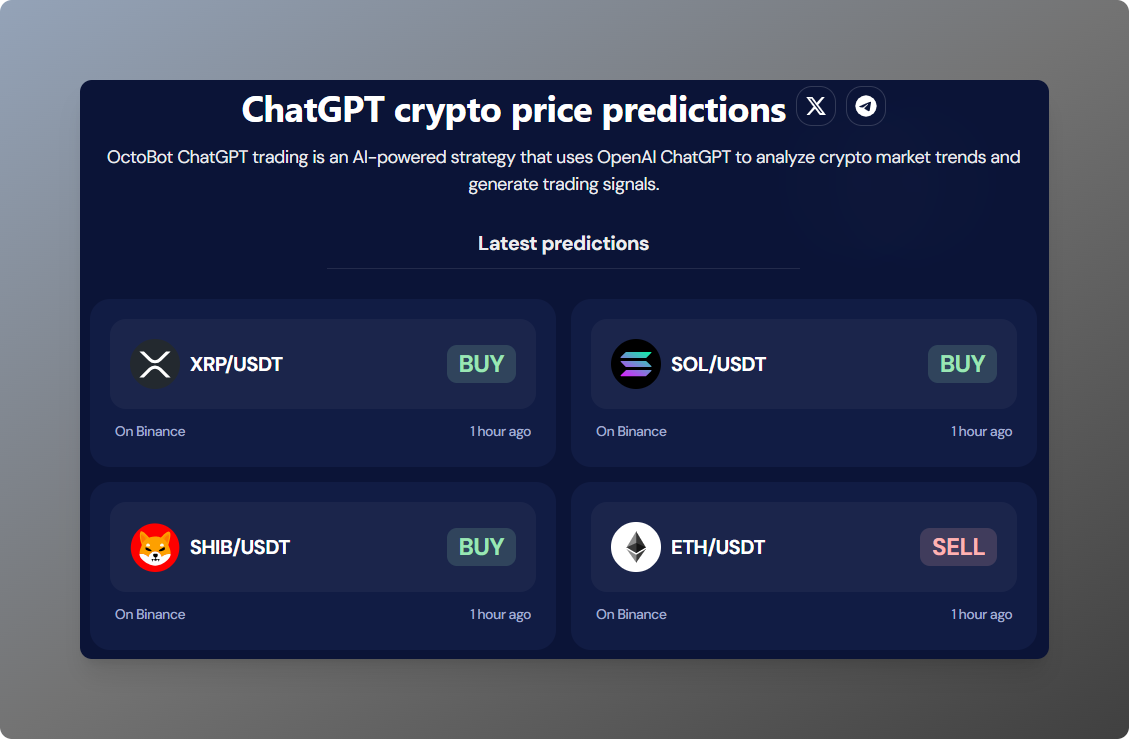
Le concept de cette stratégie est d'identifier les entrée sur les marchés tradés en utilisant les prédictions de ChatGPT. C'est à dire lorsque ChatGPT prédit que le marché va bientôt monter.
Pour cela, nous fournissons à ChatGPT le contexte du marché en lui mettant à disposition les données de marché récente. Ensuite nous demandons à ChatGPT une projection pour savoir si la prochaine évolution de marché sera ascendante ou descendante.
Une fois l'entrée identifiée, la partie DCA de la stratégie entre en jeu et optimise les étapes d'achat et de vente
Les ordres d'achat sont créés lorsque ChatGPT prédit avec un degré de confiance suffisant que le marché va augmenter.
Chaque signal d'achat déclenche ensuite une stratégie rapide de DCA où plusieurs ordres d'achat à différents prix sont créés. L'utilisation de plusieurs prix d'achat permet de tirer profit des petites baisses du marché pour réduire le prix moyen d'achat.
Une fois rempli, chaque ordre d'achat est remplacé par un ordre de vente du même montant. Cet ordre de vente a pour objectif un profit optimisé et est conçu pour être exécuté dans les prochaines heures ou jours, générant ainsi des bénéfices à court terme.
Pour concevoir la stratégie ChatGPT, nous avons effectué d'importantes campagnes de backtesting afin de trouver les meilleurs marchés et paramètres et optimiser les trades effectués.
To design the ChatGPT strategy, we ran extensive backtesting campaigns in order to find the best markets and settings to trade on.
De manière similaire aux actifs complémentaires Smart DCA, la stratégie ChatGPT bénéficie du trading simultané de plusieurs actifs complémentaires. Il est donc important d'identifier les marchés appropriés afin d'optimiser vos profits en utilisant cette stratégie.
Nous testons actuellement la stratégie ChatGPT avec des robots de trading réels depuis quelques semaines et nous sommes très heureux de constater qu'elle se comporte comme prévu, c'est à dire que l'OctoBot associé :
Achète et vend rapidement.
Réalise des profits.
Ne reste pas bloquée dans des ordres de vente ouverts.
De la même façon que les stratégies de DCA, la stratégie ChatGPT requière un marché stable ou ascendant pour faire des profits. Il est alors important de toujours bien choisir le marchés tradés pour que la stratégie soit capable de vendre ses cryptomonnaies rapidement et éviter de les bloquer dans des ordres de vente.
Utiliser la stratégie ChatGPT sur un marché descendant peut bloquer les cryptomonnaies achetées dans des ordres de vente. Bien que la stratégie ne vende pas à perte, cette situation n'est pas optimale et peut empêcher de trader d'autres cryptomonnaies.
Si vous souhaitez en savoir plus sur la manière d'exécuter votre stratégie de trading ChatGPT sur OctoBot, consultez notre article Trader avec ChatGPT qui couvre les détails techniques sur la façon d'utiliser ChatGPT selon vos préférences, directement depuis votre OctoBot.
Veuillez noter que le contenu de cet article est destiné à DES FINS D'INFORMATION GÉNÉRALE et non pas à des conseils financiers. Les informations contenues ici sont uniquement à titre informatif. Rien dans ce document ne doit être interprété comme un conseil financier, juridique ou fiscal. Le contenu de cet article reflète uniquement les opinions de l'auteur et/ou de l'équipe d'OctoBot. Aucun d'entre eux n'est un conseiller financier agréé ou un conseiller en investissement. L'achat de cryptomonnaies comporte des risques considérables de perte. L'auteur et/ou l'équipe OctoBot ne garantissent aucun résultat particulier. Les performances passées ne préjugent pas des résultats futurs.
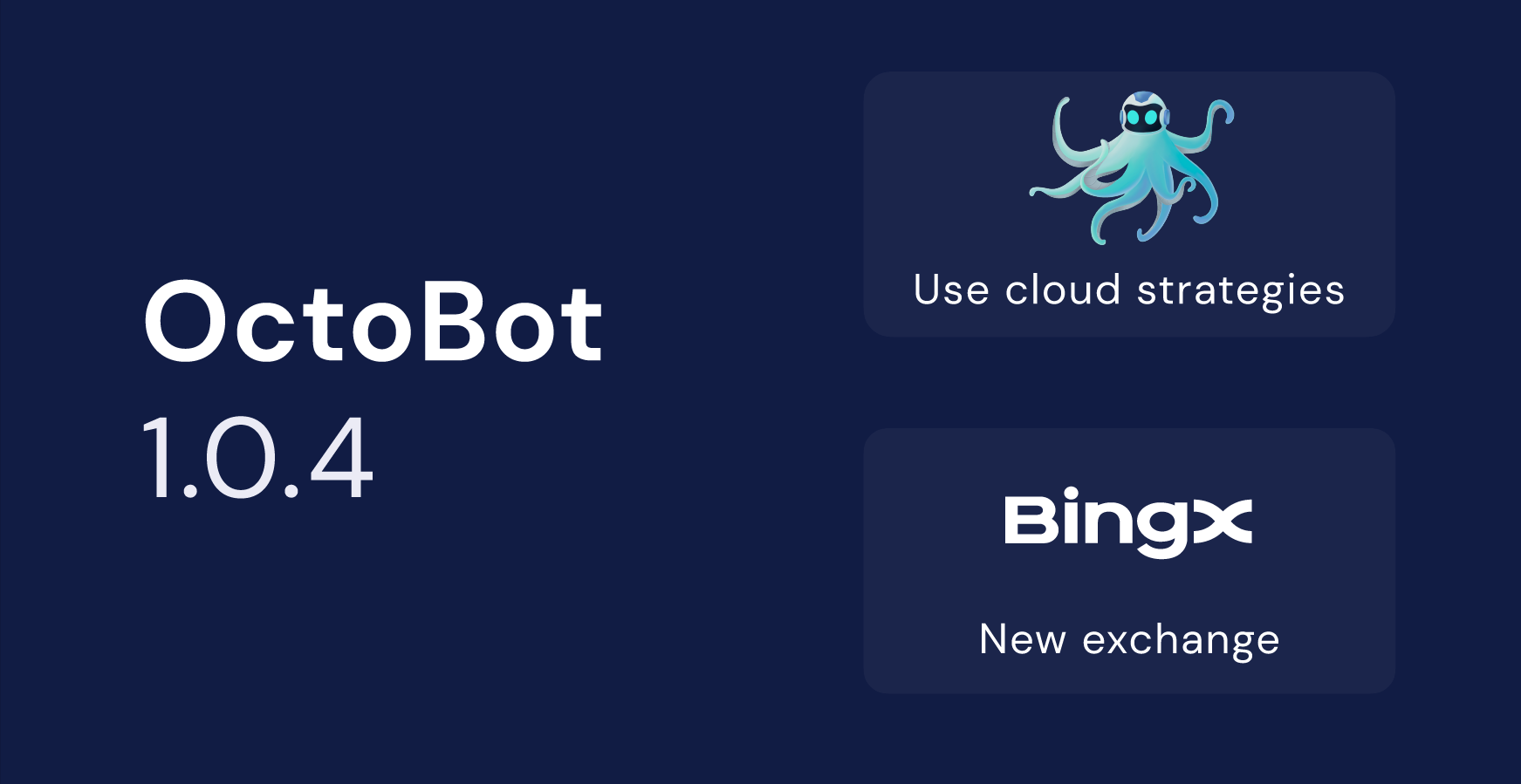
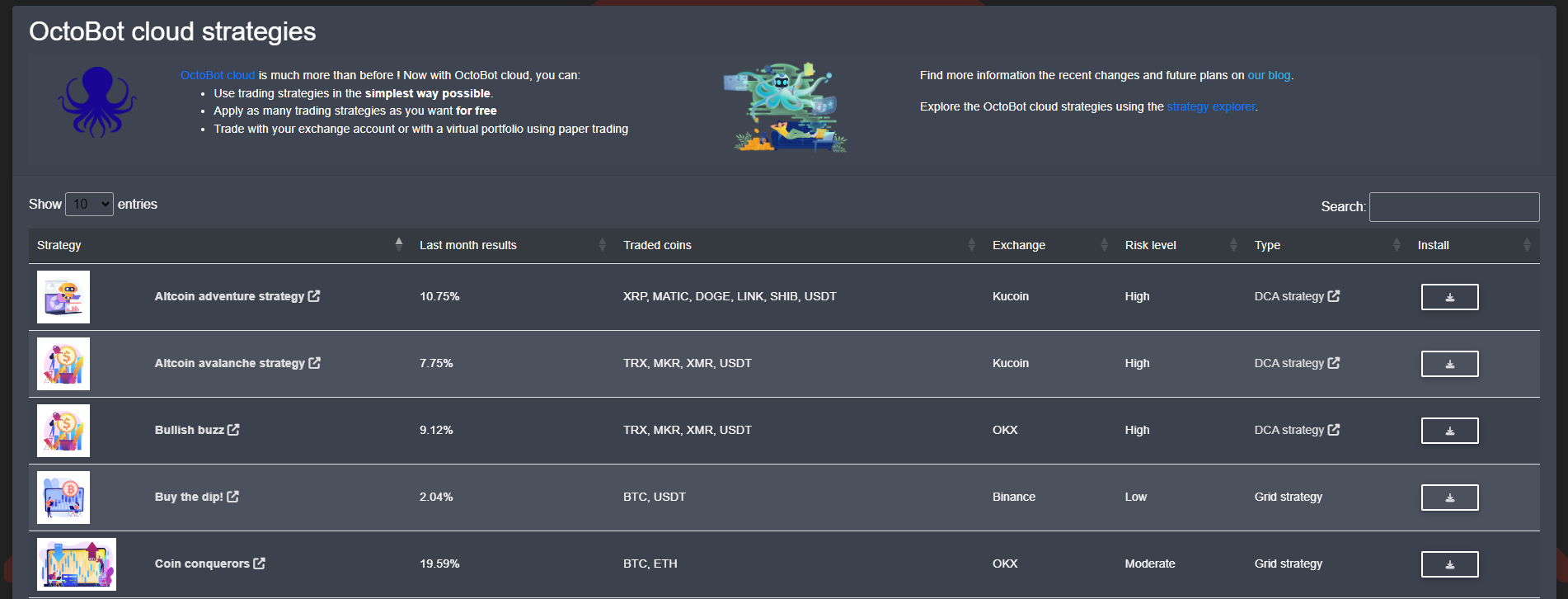
Nous sommes fiers d'annoncer la nouvelle version d'OctoBot. 1.0.4 est une mise à jour ajoutant la possibilité de télécharger des stratégies d'OctoBot cloud directement dans votre OctoBot, l'ajout de la plateforme d'échange BingX parmi les échanges partenaires et de nombreuses améliorations.
Chez OctoBot, nous travaillons à rendre le trading aussi accessible que possible. Pour cela , rendre compatible OctoBot avec la majorité des plateformes d'échanges est une étape nécessaire. En suivant cette philosophie, nous venons d'ajouter le support de BingX. Nous espérons que cet ajout aidera un maximum de nos utilisateurs.
Correction de bugs liés aux plateformes d'échanges
Dans OctoBot 1.0.4, nous avons corrigé plusieurs problèmes liés à la connexion aux plateformes d'échanges. Cela concerne en particulier le trading de futures et les ordres de take profit et stop loss. Un grand merci à Nes, Grr, Gerhard et Artem de notre communauté pour nous avoir aidé à trouver ces problèmes.
Dans cette version, nous avons ajouté des paramètres permettant aux trading modes DCA et Daily d'être personalisés de façon plus fine en fonction de vos idées.
De nombreux bugs ont été corrigés, en particulier sur l'interface web, à propos du sélecteur de cryptomonnaies, plusieurs problèmes de connexion aux plateformes d'échange, de configuration de Ngrok et bien plus encore.
Nous avons hate de savoir ce que vous pensez de cette nouvelle version. Partagez vos idées et suggestions que vous aimeriez dans la prochaine version avec ce lien de feedback.
La traduction française de cette page est en cours.
At OctoBot, we are always trying to find new ways to trade. After experimenting with many types of strategies, we realized that sometimes, keeping it simple just works.
Our idea was to take the concept of Dollar Cost Averaging and adapt it to smaller scale investments.
Dollar Cost Averaging (or DCA) is a very well known investment strategy where you buy on
a regular basis in order to profit from local price drops. It allows investors
to reduce their overal buying costs.
The DCA concept can also be applied to selling an asset. Selling something over a long period of time, when the price is going up, is allowing to profit from the whole range of prices and increase your average selling price.
Buying and selling using DCA is a way to maximise profits when investing in and out of a coin.
After running tons of tests with historical market data, we realized that this idea also works very well on shorter term trades.
We also had the surprise to observe an interesting side effect of smaller term DCA: it's a great way to profit from markets that are not moving synchronously. In other words, it can allow to profit from a rising ETH in the morning, take profits at noon and profit from a rising SOL in the afternoon, as long as ETH and SOL are not moving at the same time.
In order to multiply trades, trading assets that are moving up and down at different times is optimal. We call such assets complementary.
In the end, to optimize profits, the most important part is to include smartly chosen traded assets, so that the strategy trades as much as possible while lowering risk by investing in multiple coins.
The Smart DCA strategy is adapted to sideways or upwards markets. In order to be able to quickly fill its sell orders, it relies on the market not being in a pure downtrend.
Using the Smart DCA strategy in a downwards market might not allow sell order to be filled and therefore lock funds in open sell orders. While this is not a selling at a loss, it is still non optimal and can prevent generating profits from other cryptocurrencies.
Let's now explore the very technical aspects of the Smart DCA strategy.
After the initial step of identifying complementary coins to trade, the next part is to optimize the way Smart DCA will trade those coins.
This comes down to how entries and exits should be traded, how much to assign to each entry signal, how to configure take profits, all of this while limiting inherent risks associated with the traded assets.
Profits in Smart DCA come from the difference between the sell and buy prices.
The higher the difference, the bigger the profits. However the bigger the risks of not selling the asset.
In a ideal world, your Smart DCA configuration is so that each entry quickly finds its exit because the exit price is configured according to your traded assets typical behavior. However in reality this is not always true.
Therefore the goal of the strategy's entry and exit configuration is to find the sweet point for your traded assets where the large majority of your exit orders end up filled within the next hours or days at maximum. This allows to quickly free up funds and jump to the next opportunity. We don't want to be waiting for a fill that might take weeks to happen and prevent you from making money with this trade funds using other traded markets.
Steady portfolio growth and regular trades using 0.8% take profit targets
At OctoBot cloud, we realized that for the top 50 altcoins, this point is usually around 0.8% profits. This configuration allows to make profits even after exchange fees while quickly freeing funds to multiply trade opportunities and limit asset exposure.
Unoptized portfolio growth: missed trades and higher volatily using 2% take profit targets
Of course this number is highly correlated to the volatility of the traded pairs. If you are trading pairs from top 100 to 200 ranks, it's possible that a 1.5% take profit target would be more profitable as those pairs are much more volatile.
A key concept to optimize your returns using Smart DCA is to trade complementary coins. This allows to multiply trades while reducing risk by spreading funds between different assets.
But how many coins should be traded ?
Overal, the more the better providing 3 conditions:
All assets must remain complementary (not making the same moves at the same time), otherwise profits are not increased.
Assets should display a similar volatility.
Having enough initial funds to create orders on every market.
As explained on the video, the best way we found to identify complementary assets is to select assets from different naratives. This means coins that serve different purposes and therefore won't be moving from the same market events or trends.
As the goal of the strategy is to quickly go in and out of each asset, it is important that each asset displays overall the same volatily. This allows to fine tune entries and exits goals in an efficient manner.
Using markets with different volatility present the following risks:
Exiting the market too early and missing on profits from more volatile assets.
Not exiting the market when an opportunity arises due to targets adapted for a higher volatility market.
According to our tests, the ideal way to size orders on DCA is to use a small percent of your total traded portfolio value on each order. Here the meaning of small can vary depending on your context and goals but overal the idea is the following:
Using a %t order amount settings to size orders according to the total value of traded assets holdings and keep order sizes consistent.
Sizing %t in a manner that complies with the exchange minimal order size rules. For example this is usually $5 or $10 (or USD equivalent) on Binance. Please note that the current version of backtesting is very permissive on this topic and it's better to use the live trading simulator or manually check order sizes if you are unsure about minimal order sizes
Keeping the order amount smaller as you increase the number of traded pairs to profit of each pair and reduce chances of having a large part of your portfolio being stuck in sell orders of a particular asset when your exits did not yet trigger.
On OctoBot cloud, strategies usually trade with between 5% and 8% of the portfolio in each order. This allows to benefit from multiple pairs while allowing for minimum initial portfolios in the range of 100 to 200 USD-equivalent.
When creating a trading strategy, it's always important to test it with backtesting to make sure the strategy behaves as expected. Backtesting can also be used to optimize a strategy settings. This is what we do at OctoBot when we create a new strategy.
However, it's important to keep in mind that backtesting is only using past data. Therefore there are a few key points to pay attention to:
Never over-optimize a strategy for a single backtesting context as the future is very rarely the exact repetition of the past. Prefer finding settings that work good (but not necessarily perfect) in most relevant historical range of your traded assets.
Carefully identify areas with no buy trades when there should be some. This usually means that your portfolio is completely invested and probably that you are missing a few opportunities. Your settings can most likely be improved for the selected market.
Assets that look complementary only based on their past price chart doesn't mean they will keep doing it. That's why having clear fundamental reasons to explain their price complementary (such as the narative) is better than just relying on price charts.
Veuillez noter que le contenu de cet article est destiné à DES FINS D'INFORMATION GÉNÉRALE et non pas à des conseils financiers. Les informations contenues ici sont uniquement à titre informatif. Rien dans ce document ne doit être interprété comme un conseil financier, juridique ou fiscal. Le contenu de cet article reflète uniquement les opinions de l'auteur et/ou de l'équipe d'OctoBot. Aucun d'entre eux n'est un conseiller financier agréé ou un conseiller en investissement. L'achat de cryptomonnaies comporte des risques considérables de perte. L'auteur et/ou l'équipe OctoBot ne garantissent aucun résultat particulier. Les performances passées ne préjugent pas des résultats futurs.
We're thrilled to announce the release of OctoBot 1.0.2, an upgraded version with many improved features, thanks to the great feedback we received from you all.
In OctoBot 1.0.2, we've revamped the ChatGPT strategy. Until now, you couldn't run a backtesting on a chatgpt profile due to the excessive prompt, costing around $2 for 6 months history, hence we disallowed it.
However, with the new update, you can run backtesting on some gpt settings because we've already computed the prompt against some exchanges pairs historical data which are downloaded from our servers.
We've also shifted from Daily Trading mode to a smart DCA trading mode in the chatgpt profile. The previous mode was no longer suited to the current market, hence we updated it to DCA trading mode to develop more accurate sell orders following a chatgpt entry signal.
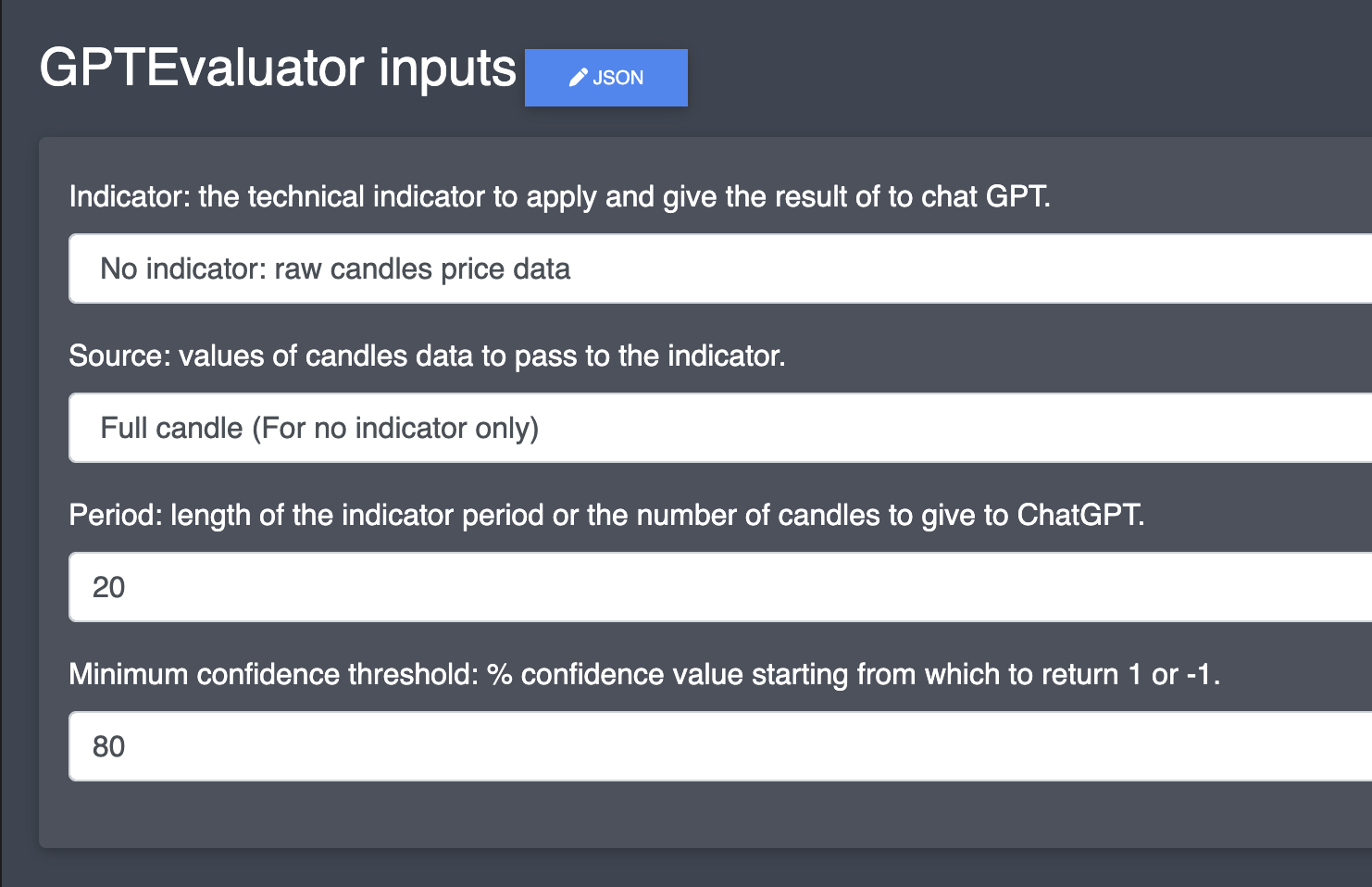
Additionally, we've introduced a new prompt setting. You can now ask chatgpt with pure candle history (without any TA indicator) and include the number of candles you want.
We've also made noteworthy improvements to the TradingView connection, thanks to some valuable feedback from our OctoBot users who use the TradingView integration.
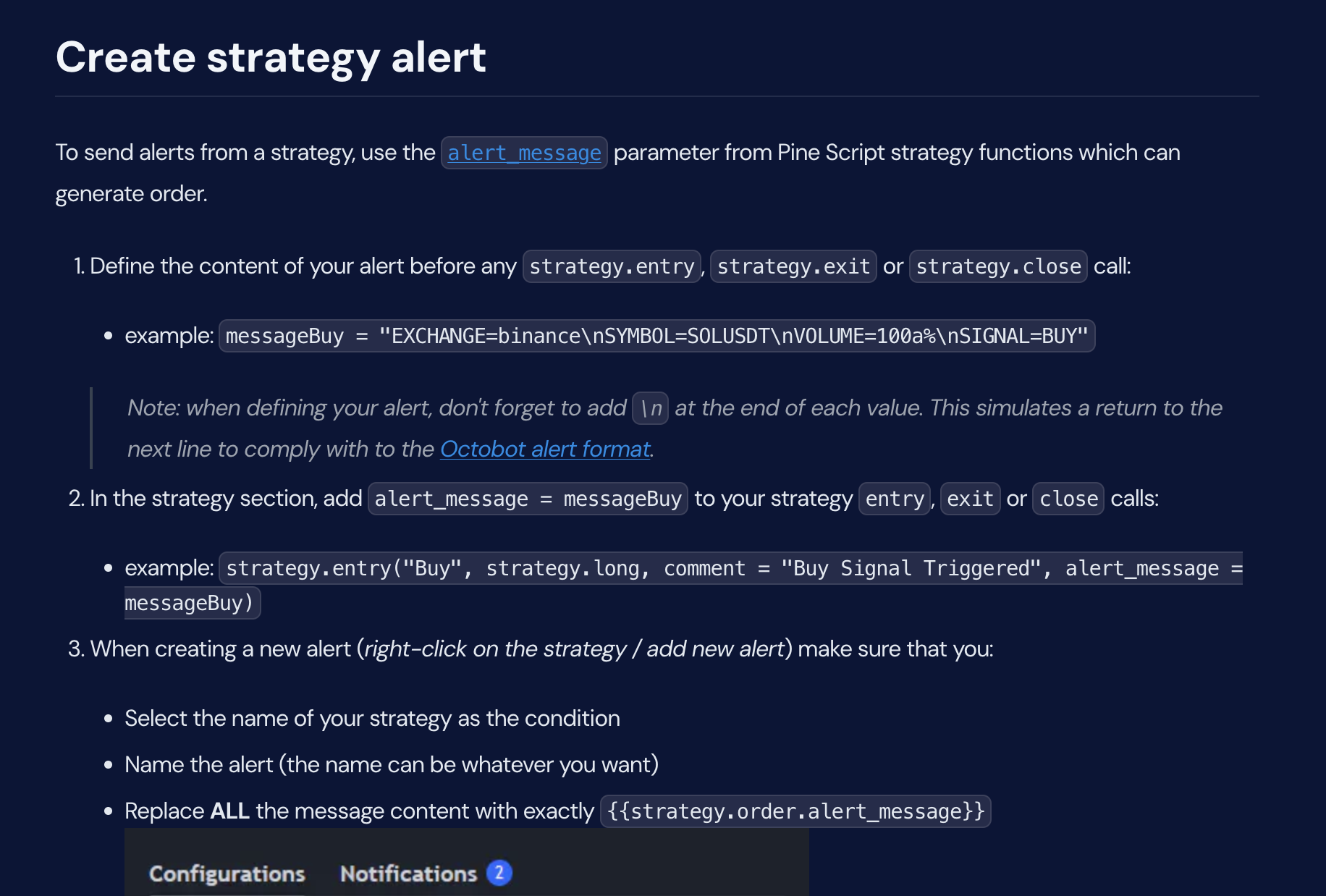
It's now possible to send a cancel order signal to cancel all current open orders for a symbol, or only to cancel an open order on a specific side using the param SIDE. More details on this can be found at this link.
Special thanks to @KidCharlemagne, an active member of our OctoBot Discord community, for helping with the complete refactor of the TradingView configuration guide. It's clearer now, with ample examples.
We've also squashed some bugs in this release. After careful checks, we discovered an issue in the OctoBot backtesting engine that allowed for premature filling of open orders.
We can't wait to hear your thoughts on this new version.
Please use this feedback link to share your suggestions and what you'd like to see in our next release.


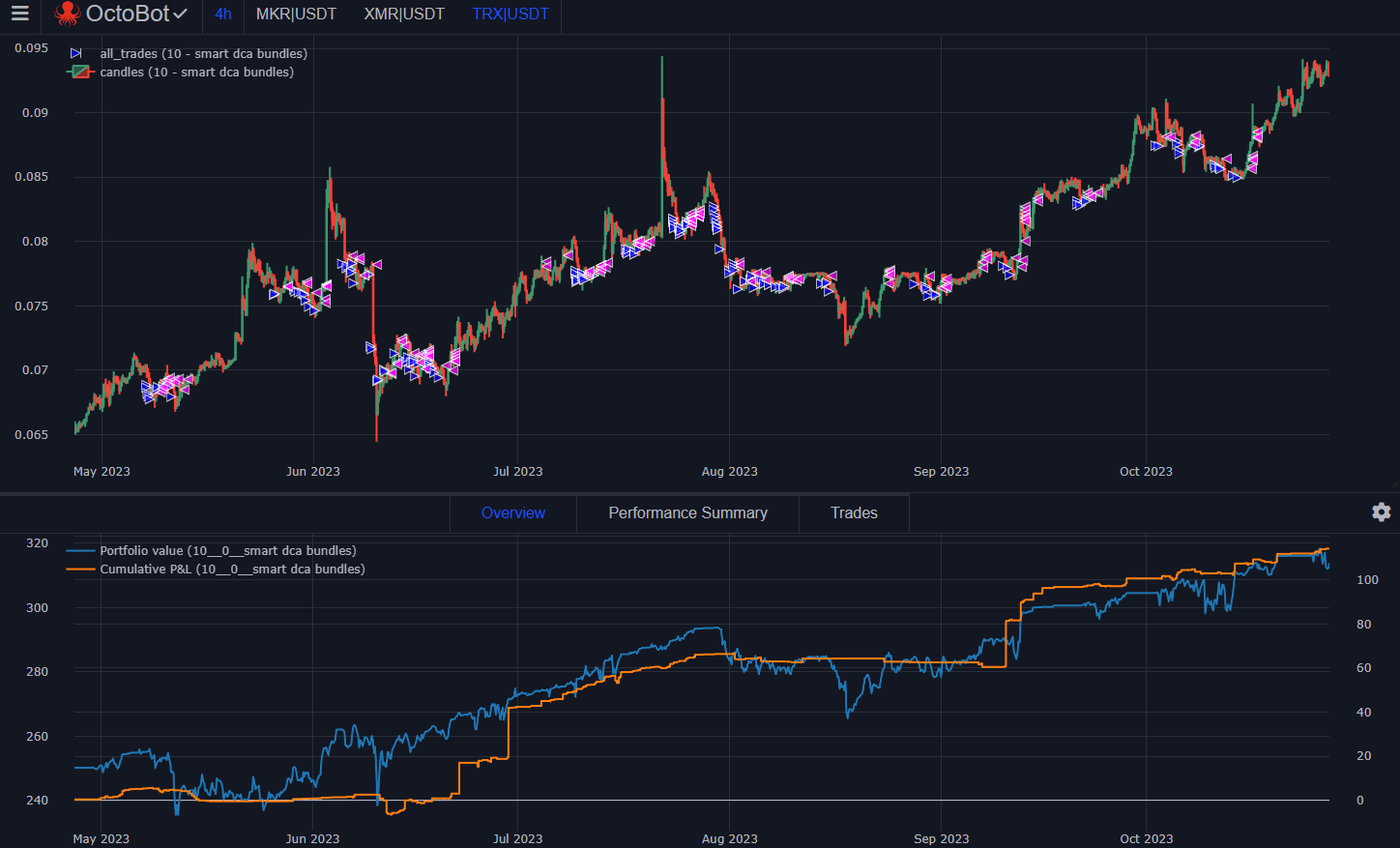 Steady portfolio growth and regular trades using 0.8% take profit targets
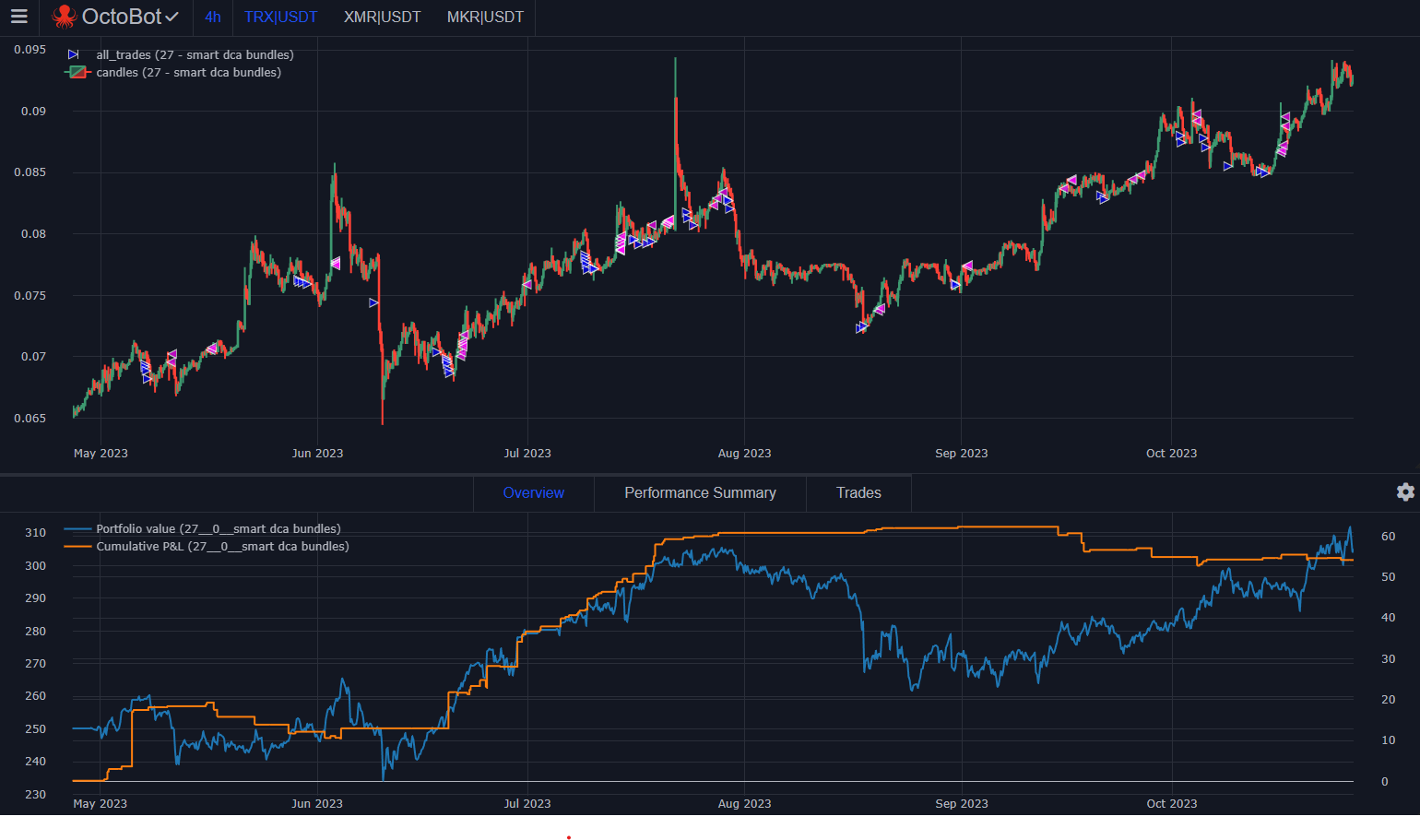 Unoptized portfolio growth: missed trades and higher volatily using 2% take profit targets
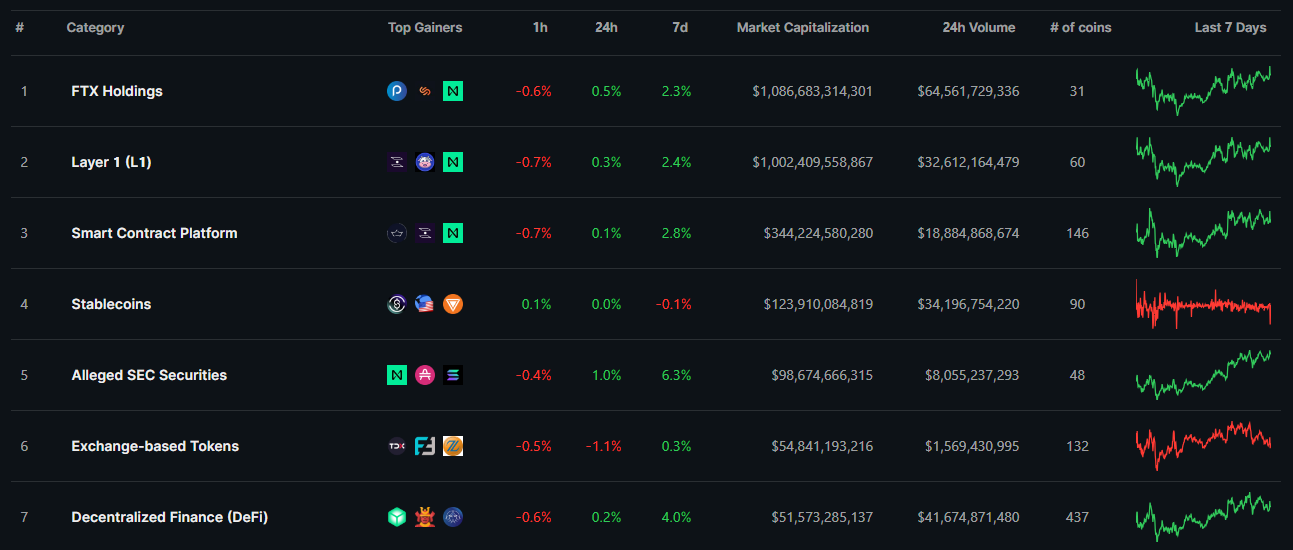 CoinGecko's
 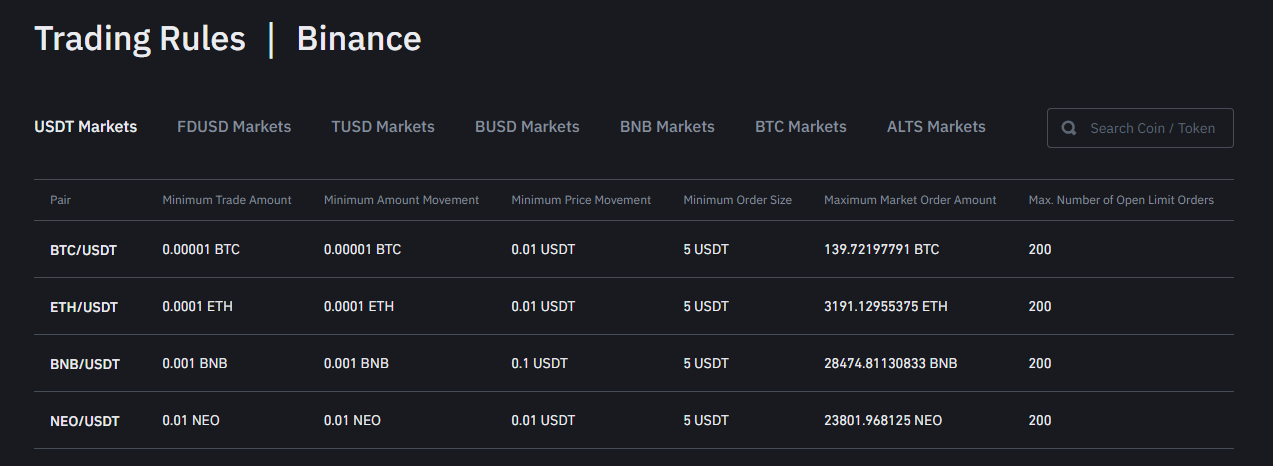 Binance's